
Art Things I Wish I Knew When I Was Young — No. 1 - Number your Artwork
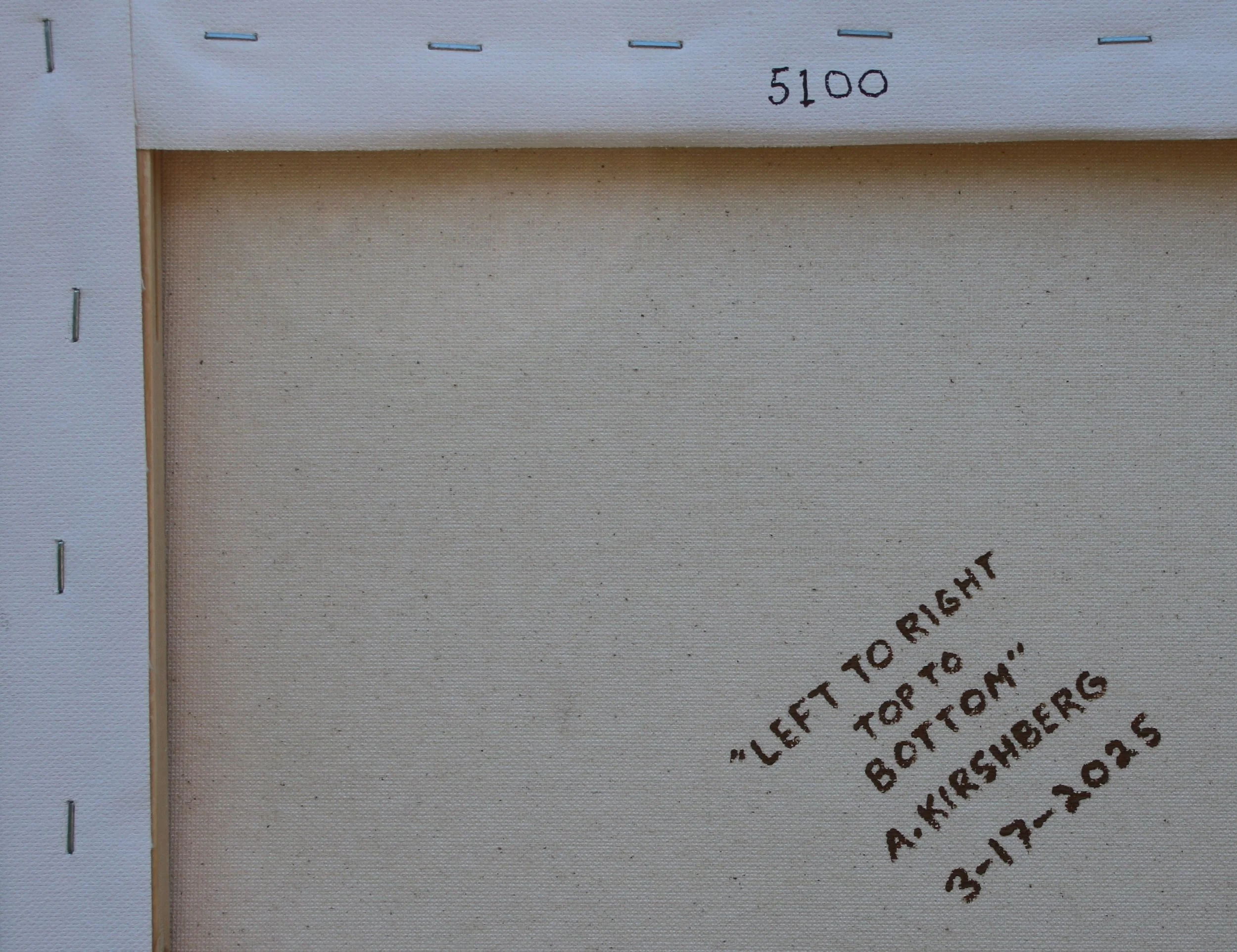
5100 is the internal number for this piece.
Number Your Artwork (And Why It Matters More Than You Think)
When I was younger, I didn’t understand how important it was to keep track of my artwork. I was focused on creating, not documenting.
But as you grow as an artist, your work becomes part of a larger story—your story—and it deserves to be treated with care.
This is the first lesson I wish I had learned earlier.
Number your artwork on the back
Every piece you create becomes part of your artistic timeline. Numbering your work helps you track your growth, your collections, and the evolution of your style. It also helps collectors, galleries, and even your future self understand where each piece belongs.
Number your artwork on the back of the panel or canvas
You can apply the number directly on the back of the panel using an archival pen. Many artists prefer Sharpies, but archival Micron pens are a better long‑term choice because they are designed not to fade or bleed over time.
Avoid starting at “1" for numbering.
Starting at “1” can make your early work feel exposed or unfinished. Instead, begin with a three‑digit number—100, 500, 1000, or whatever feels right for your system.
Some artists even update their numbering each year (for example, 1000–1099 for one year, 1100–1199 for the next). There’s no single correct method; the point is to create a system that feels intentional and sustainable.
For example, 5100 is the internal number for this piece in the picture on the left.
Keep a simple record
A simple spreadsheet can save you years of confusion later. Include fields like:
• Number
• Title
• Size
• Medium
• Date completed
• Location (home, sold, gifted, donated)
• Notes (varnish, series, photo status, etc.)
This doesn’t need to be complicated. It just needs to exist.
Why This Matters
You may not realize it now, but your work will become part of a larger body—something you’ll look back on with pride.
Numbering and documenting your art is a way to honor that future. It’s a small habit that protects your legacy and helps you stay organized as your creative life grows.
